
Dryer Vent Problems and Dangerous Issues
There are some people who try to ignore cleaning their homes because they don’t really see the need to clean it. There are tendencies that you will have the initiative to clean it once you have suffered from different kinds of diseases such as asthma. This is one of the biggest lessons that we shouldn’t ignore and try to find a way to get rid of that kind of habit. It will be easier for you to maintain your home if it is free from dust and dirt. You can also see the beauty of your place once you know how to maintain it.
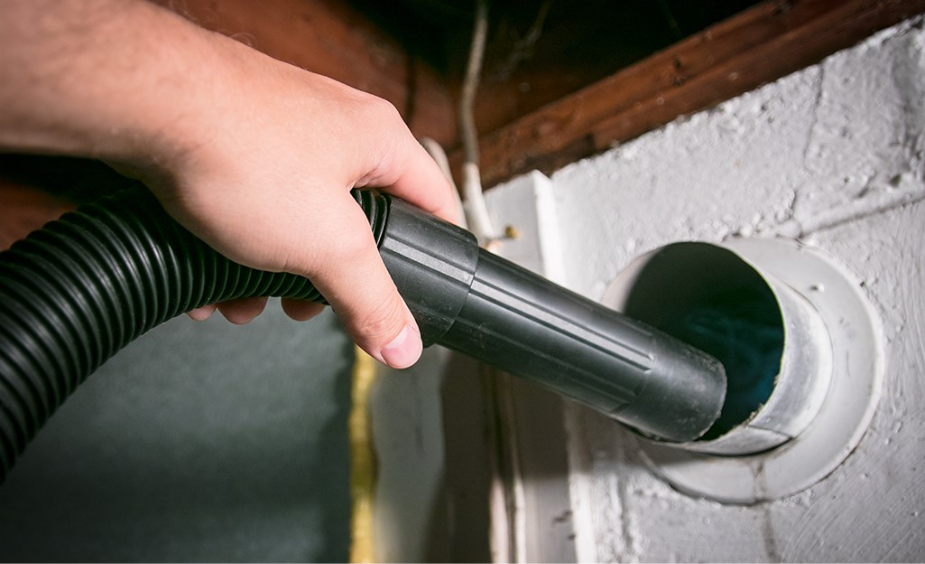
One of them is the Reno dryer vent cleaning. You wouldn’t see the need to clean the dryer vent because it is still fine until such a time that you have experienced the worst of it. You cannot feel the air flow anymore because of the clog. You can also smell something awful that you didn’t expect to smell it. There could be some gases as well that can irritate your nose. If you know how to handle this kind of problem, then you can solve it right away. This is different from those beginners and clueless that they need to hire someone to do it for them.
There are obvious things that can happen once your dryer vent is clogged or blocked. First is that you can expect higher results when it comes to the bills. It means that the performance of your dryer wouldn’t be that satisfying, and it must generate more energy. You’ll also need to expect that the lifespan of your dryer will be limited since it is always having some issues. It means that instead of maintaining it, you must get a new one. There are tendencies for house fires as well, especially if this is prone to some electrical fault. It is obvious as well that you will see some pests around your vent.
There are some people that don’t know what to check and what to remind themselves first is that when you notice that there is that longer drying cycle, then you need to be suspicious right away. Especially if this is not common for you to experience it. There are people that when they try to dry their comforter or bed sheets and it is taking them a very long time to get the result, then there could be some problems. You can hire those professional people to check this matter.
Another thing is the awful smell coming from the vent, which is like a burning piece of clothing. There are many reasons why you smell that one, such as the heat energy coming from the plug to the system. There are some people they say that there is a problem with your dryer vent once you touch it and it is hot. It could be about overheating the system. When you know that you cannot solve the problem right away, then you just must let those professional dryer vent cleaners and repair people fix it.

Recent Comments